Ken Lelen

Ken Lelen
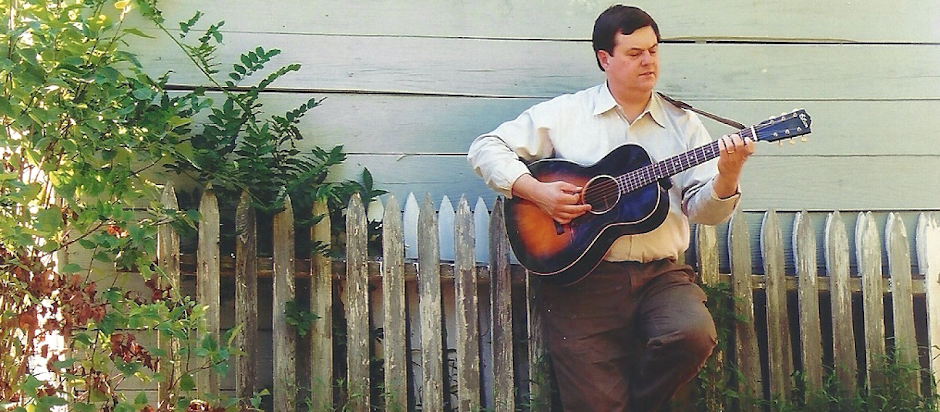
Ken Lelen sings great American ragtime, jazz & swing and plays vintage acoustic guitars for an authentic, back-in-the day sounds. Photo by Mike Nixon - Aug 2002.

Friday, June 8, 2012


Musicians vie for folk-club attention spans
NERFA One-Day Mini Conference
Bethesda, MD, Sat, May 5, 2012
© 2012 by Ken Lelen — All Rights Reserved
Comments posted in FEEDBACK

Billed as a business meeting for traditional, multi-cultural and contemporary folk musicians, a one-day conference on Sat., May 5, 2012 should have been called the Go-Getter's Gig-Getting Guide.

Sponsored by Northeast Regional Folk Alliance, the Bethesda, MD event drew musicians, radio DJs, club managers, promoters, producers and recording execs. Most hailed from Washington and Baltimore, and a few from Nashville, New York and Philadelphia. About 140 people paid $35 each to attend the event at the Bethesda-Chevy Chase Regional Services Center, a mid-rise government office with conference rooms, dropped ceilings, fluorescent lights and a homeless man in the main stairwell.

Judging by the tenor of six workshops, informal lunch meetings and ten musical showcases, the event was a tight-run affair by and for the gatekeepers of small-club, festival, coffeehouse, folk society and house-concert venues, which today total some 300 establishments across the Northeast. Because few traditional or ethnic acts can draw paying customers to clubs in reliable numbers, the NERFA event sought to expose new and young musicians to the eyes and ears of venue operators.

Venues seek brand-name musicians
What did presenters look for? Established or brand-name musicians and singer-songwriters who escaped the unpaid fishbowl of open-mic soirees at bistros, bars and baristas. They also wanted feisty performers who can exploit social media contacts to attract young and affluent audiences to a sponsor's club.
     
NERFA's Bethesda meeting, like a similar event held June 2 in Boston, MA and four-day confab held each November in the Poconos, serve as a folkie's farm system. So booking gigs was the focus of performers, while screening new or unknown artists the goal of presenters and DJs. Just to spice things up, several participants trolled the sessions for freelance booking, producing, consulting, recording or promo projects.
     
The opening speaker alerted folks on how the day might go. "How you conduct yourself today may win you some gigs," said event coordinator Scott Moore, a Rockville, MD presenter. "Or it could lose you some gigs."
     
During the nine-hour event participants were often reminded that bookers and presenters are pissed off by unsolicited communiqués — phone calls, emails, press kits, friendings, etc. One sure way to get a folk-club gig is for bookers to see and hear you play at another folk venue or a NERFA event, presenters said. Also, if you're lucky, you just may be referred by someone bookers know and trust.
     
In short, who you know or what people think of you are decisive factors in landing folk-club gigs. This notion was repeated in workshops and showcases, boosting the view that NERFA events support a commoditized musical genre.

Workshops spark industry interactions
The first 60 seconds of 20 screened recordings by attendees were aired for the "On The Griddle" panel, which consisted of a booker, presenter, radio promoter and two DJs. Each gave a thumbs up or thumbs down to tell if a song might receive consideration for airplay or concert booking.
     
Early on, a panelist said a cut reminded him of a song by a well-known artist in a positive way. Moments later another panelist said the cut reminded him of the same work, but in a negative way. Neither explained his musical standards for liking or disliking the song they reviewed.
    
Afterwards, I asked panelist Michael Jaworek, booker for the Birchmere in Alexandria, VA, to describe his criteria for reviewing a CD or hiring a performer.
Yea or Nay from "On The Griddle" panelists (l to r): DJ Gene Shay, DJ Mary Sue
Twohy, songwriter Erik Balkey, booker Michael Jaworek, presenter Scott Moore.
"Artistic merit," he explained. "But if a CD is from an agent of a big-name act, then it's important for me to listen to the less well-known act he's pushing," he said. "Turning down an unknown artist can limit my access to the big fish I want to hook or hamper current [negotiations]."
     
In the late morning, as "How To Get Noticed" panelists dwelt on how performers can grab presenter attention, one message struck a nerve with all the performers in the room.
     
"Give presenters a unique reason to pay attention to you," said musician Brian Gundersdorf of the duo We're About 9 of Columbia, MD, who recently launched an open mic. After a while he rented a hall and staged a ticketed showcase of the artists he liked from the open mic.
     
Some of his success with the showcase came by shifting the task of attracting an audience to his musical partners. But he also generated good will in the folk community by encouraging presenters to attend the special show.
     
"My invitations for the show were less about 'Come see me' and more about 'Come see the community of emerging musicians right here in your town,' " said Gundersdorf, who calls some of the people he courted "my close friends."
     
In addition to sparking performer comments, Gundersdorf's experience piqued the interest of music executive and panelist Art Menius, executive director of the ArtsCenter in Carrboro, NC.
     
"The music scene has shifted away from us [presenters] as gatekeepers who book acts that send out emails and postcards to people on their mailing lists to draw an audience," said Menius, formerly of the Folk Alliance and International Bluegrass Music Assn.
     
"Now, with social media, we're seeing a way to bring an act's following to the presenter's doorstep," he said, and alter the dynamics and economics of presenting musical acts.
     
Moments later, at a lunch meeting drummed to order by event organizer Cheryl Kagan, performers and others cast doubts on the value of social media. Managing a Twitter or Facebook account, they said, has grown routine, complex and time consuming.

Event organizer Cheryl Kagan keeps in touch.
In response, Kagan, a Rockville, MD presenter, challenged the idea by boasting she has 4,100 friends on Facebook. Such connections are not as effective as touted, performers and others replied, because of how personal, business and musical contacts are jumbled together on Facebook. What's more, they're hard to unravel into discrete groups for gig marketing, CD promotion or audience support, several lunchtime participants said.
    
After lunch, panelists at "Follow The Money" revealed paths they've followed in recent years. For instance, singer-songwriter Erik Balkey of Haddon Heights, NJ described his ancillary incomes: radio promotion, in which he markets musicians' CDs to radio DJs; writing custom songs; and a part-time house-painting business.
     
"I'll always be a songwriter. I'm clear about that," he said. "I'll do the other jobs to pay my bills."
     
Presenter David Eisner described his struggles to turn House of Music Traditions, a foundering folk venue in Takoma Park, MD into a nonprofit music education and retail center, and Siobhan Quinn, director of Montgomery College Cultural Arts Center in Silver Spring, MD and former grants administrator in New York, suggested nonprofits and performers could work with state and regional arts councils to obtain funding for music and arts programs.

"Follow the Money" panelists (l to r): arts administrator Siobhan Quinn,
musician Cathy Fink, presenter David Eisner, musician Erik Balkey.
     
"The key is to write an application a grant maker wants to fill," she said.
     
When it was pointed out that the nonprofits, not individual musicians, typically apply for grants, that nonprofits usually sponsor the artists who receive money, and that musicians often must be residents of the states where such funds are granted, the room broke into a tumult. The panelists disagreed, but did not offer clarification or advice.
     
"Stop whining," said Cathy Fink of the Kensington, MD duo Cathy Fink & Marcy Marxer. "Get over it."
     
After the event one event organizer commented on the issue of grant applications by individual artists. "In Montgomery County, MD, and likely elsewhere, artists can apply for individual grants," said presenter Cheryl Kagan, who previously worked for the Maryland State Arts Council and the Arts & Humanities Council of Montgomery County.
     
Indeed, for fiscal year 2012 the state awarded $11 million in operational funds to 244 nonprofit organizations and 23 county arts councils and Baltimore City. The arts councils in turn awarded $252,000 to 100 individual artists for work in non-classical music composition, solo music performance, playwriting, crafts and photography.
     
All 100 artists are Maryland residents, including Cathy Fink's partner, Marcy Marxer, who snagged a $3,000 individual artist award this year as well as placement on the state's Touring Artist Roster, a rare and coveted status meant "to increase paid performance opportunities for Maryland performing artists."

Showcases offer muddy melodies
At day's end ten musical acts each played three songs to an audience of about 100 conference participants. Chosen from a field of 60 hopefuls by four NERFA nabobs, the showcases revealed the genetic composition of the acts venues want today: singers of hand-made, inner-focused, pop-style tunes. In my view several performances were notable as well for dubious emotional depth and rudimentary guitar work.
     
Performers gamely offered songs on an array of themes, with personal memories and heartaches leading the pack. Though none of these folk acts explored the obscenity of war and soldiery (not a PC topic for this crew), a few offered homage to the nation's military veterans. One act gave a lively round of blues covers in the Piedmont style, while another offered cloying contemporary country songs.
     
One musician even performed a set of recreational therapy songs with stand-at-your-seat body movements ordinarily found in an elementary school gym or skilled-nursing facility. I was unable to fathom the folk in this musical act.
     
Finally, most performers were happy to chord along on shiny acoustic-electric guitars, including an indie folk-rock trio that brought an electric cello and new-growth graphite-bodied guitar. Notwithstanding the blurred lyrics, muddy melodies or amplified patois, these electrically enhanced, rubberized tones slaked the crowd's thirst for contemporary folk music.

Why did I attend NERFA?
I wanted to expand the types of venues at which I perform Vintage Music Concerts and learn how folk venues audition, book, promote and pay their musical acts.
     
For the record, in 12 years I've booked and performed about 1,000 paid concerts in solo, duo or trio formats. I sing jazz and swing and play vintage guitars at retirement villages, libraries, social clubs, museums, galleries, restaurants, churches and on radio. Audiences have ranged in size from 35 to 350 people and in age from 15 to 105 years.
     
Touring 100 days a year, I seldom play open-mic nights or unpaid showcases. However, I've played a few folk clubs, including headlining at the Fine Arts Council in Milford, CT and opening gigs at three New Jersey venues: for singer-songwriter Lynn Miles of Ottawa, Canada; bluegrass singer Beth Coleman of Galax, VA; and jazz guitarist Bucky Pizzarelli of Saddle River, NJ.
     
I've drawn good-sized audiences (75 to 225 people) to these events. I've sent out publicity releases, email announcements and did the legwork that leads to profiles in big-city media. But these concerts offered paltry pay and scant chance to build a relationship with a venue's sponsor, let alone earn a return engagement.
     
Long ago I learned that openers, regional and specialty acts, even those in niche markets like mine, are considered superfluous outsiders by club owners. "We pay openers $100 and always have," said one NERFA presenter. "It's a great way of offering exposure to performers."
     
At the Bethesda meeting I discovered an outsider mentality is shared by many musicians because several performers asked me about my concerts for seniors. Each made a point to ask me how much the venues paid.
     
"My fees are modest and the venues I play are not nursing homes," I said. "Fees at retirement villages reflect a venue's budget, audience whim and the attention span of a program director. It rarely depends on program quality, performing experience or working relationships."
     
"No matter," one female folksinger said. "The songs you play are just covers and I want to know what I can charge."

___________________________________
© 2012 by Kenneth Lelen — All Rights Reserved

A journalist for 27 years before launching Vintage Music Concerts in 1999, Ken Lelen sings ragtime, jazz and swing, and plays vintage acoustic guitars for diverse groups, niche markets and sundry venues on the East CoastHe has played acoustic guitar since the summer of 1963.

___________________________________

FEEDBACK

Sorry it wasn't your cup o' tea, but appreciate the honesty.  —  Scott Moore, Moore Music Concerts, Rockville, MD
_____


And then there's the people who went to connect with old friends, make new friends, talk about their passion, share experience, be a contributing part of the folk scene, and generally surround themselves in a setting where they feel connected to a community that they identify with. But, perhaps it's all what you make of it.  —  Erik Balkey, Hudson Harding Music, Haddon Heights, NJ

_____

A good and honest report on yr blogspot ken. tnx and good luck.  —  Michael Jaworek, Birchmere, Alexandria, VA
_____

I found your write-up very refreshing in that it was not just a "puff piece."  You are admittedly an outsider to the core audience of performers and venues for which the event was intended. From reading your blog, I got a very good sense of what the nine hours of the event was like.  Your candidness about the less-than-stellar quality of some of the performances seemed pretty consistent with my experience at such events.  Of course, it's the small handful of very fine performers and good relationships that make these events worthwhile. Thanks for writing up your thoughts and posting a link on folkvenu.  —  Paul Heller, musician, Dallas, TX
_____

This reads like something out of the nyt or wsj, very well done! As a full-time "folk" performer, I have to say I agreed with most of what you said — tho' I run my dulcimer through all sorts of electronic nonsense.  —  Butch Ross, dulcimerist, Chattanooga, TN

__________________________________________________________

Wednesday, April 4, 2012

I Love Playing Library Concerts
They bring out the community
Ken Lelen Concert at the Franklin Public Library in
Somerset, NJ on a Thursday evening, August 2008
Recently I performed a fun concert for a friendly crowd at a public library in northern New Jersey. By the time I got home I'd recalled a few memories of the dozens of library gigs I'd played in the last few years. So I'd like to relate some anecdotes from these events and offer my insights on performing concerts at public libraries.
     First, I realized library audiences want to be entertained and educated. To achieve this goal, they'll get in a car, drive to a library and sit on metal chairs for an hour or two for the sublime pleasure of seeing and hearing a stranger tell stories, play old guitars and sing tunes that were hits before they were born. These folks are motivated to listen and to learn. That is why I love playing concerts at public libraries.
     I also realized I'd been playing guitars, singing songs and telling musical stories at public libraries for more than 45 years. So, performing for library patrons is second nature for me.

Ken Lelen performing at Northport, NY Public Library
on a weekday evening (school night) in Spring 1965.
     For the record, my library concerts are not 30-minute sing-alongs for idle patrons. They're not bits of Broadway hits by a saloon singer on an upright piano. They're not musical pablum for the mommy-and-me set. And they're not juiced-up Americana from a singer-songwriter posing as a folksinger.
     Instead, the music I sing at library concerts is great American jazz, ragtime and swing — laced with musical, romantic or historical themes (see below). And the guitars I play were made in the same era as the songs, so you don't see pick-ups and wires hanging off my instruments.
     I bring a good sound system and quality microphones, so people hear the music, catch the words and enjoy the program. And after a concert I answer questions about my guitars, the songs I sang, the Tin Pan Alley artists who wrote them and the performers who made them memorable.
     Over the years I've performed at dozens of East Coast public libraries for several thousand people of sundry age, gender or temperament. I've displayed three dozen vintage guitars and sung hundreds of legendary love songs. And I've regaled people with tales of Drug Store Cowboys, Swing Shift Maisies, Stage Door Johnnies, Zoot-Suiters and Flat Foot Floogees. Below are themes I now offer in my concerts:
_________________________________
    Concert Themes                 Song Eras
Legendary Love Songs       1926 - 1946
A Fine Romance                1940 - 1956
Tin Pan Alley Cats              1912 - 1935
Ragtime Rascals                1912 - 1929
Sunny Side Of Street         1930 - 1939
Jazzman's Journey             1918 - 1935
Big Band Idols                  1925 - 1955
Juke-Joint Jivin'                 1934 - 1945
Folksong Boomers             1949 - 1968
Vintage Guitars                 20s-30s-40s
_________________________________

Concert Publicity
Lest it go unsaid, concerts at public libraries don't happen without publicity. In my experience publicity by a performer and the library is the best way to draw people. It combines the resources of both participants, taps each player's list of media contacts, draws on their press-release writing skills and available time for a publicity campaign.
     Tandem publicity demonstrates to a community and the media that both participants have a stake in a concert's success. In short, the event is a concert for discriminating audiences that's worthy of a community's time and press attention.
     The best library concert publicity campaigns I've worked on were run by Marcela Dunham, adult programs coordinator at the public library in Warren, NJ and Betty Freeley, volunteer publicity person for the public library in Roseland, NJ. Both combined excellent publicity skills, updated media lists and personal networks to attract good-sized audience to recent concerts.
     Publicity for the Warren library concert, for instance, drew attention to my event and filled all the seats in the program room. As is my habit, I sent bookmarks (handed out at the reception desk) and posters (for in-town bulletin boards) to the library to complement its in-house publicity. Then, we both sent dozens of press releases and email announcements to the local media. Several papers and websites published articles and photos to announce the concert in advance. I even received copies of newspaper articles upon my arrival.
     The Warren library's blog listed the upcoming concert and asked people to reserve a seat. Though I've seen larger crowds, every person in the audience had reserved their seat with a call to the library or email to the library’s website. In addition, on the day of the event a two-by-three-foot billboard near at the library's entry proclaimed: "Vintage Music Concert @ Warren Library."
     As a result, I played a 80-minute concert for a friendly crowd of 50 people. I displayed and played five vintage guitars, including a 1933 Martin once owned by Carl Sandburg, poet, folk song collector and Lincoln biographer. I sang 18 ragtime, jazz and swing tunes and 50 people enjoyed themselves.


Funding Friends
Ken Lelen and Graham Gudgin, president of
Friends of the Library, Edison, NJ Public Library,
on a Sunday afternoon, November 2008.
The other major factor in making a concert work is, of course, funding.
     Typically, money comes from a program budget, but I've seen funding by municipal governments, local sponsors (commercial and nonprofit) and, most common of all, Friends of the Library, or FOL.
     Many, if not most, of my concerts at public libraries were partially or fully funded by FOL members. FOLs offer volunteer labor for programs and activities, provide public relations services, act as lobbyists before local governments and, of course, raise money to support their libraries.
     Typically, FOLs solicit membership dues, matching gifts or monetary pledges. But they also operate a host of small-scale, fund-raising ventures, from book sales, bake sales, yard sales and arts & crafts sales to open house tours, art shows, auctions, town fairs, etc. If you've ever seen someone toting a canvas bag emblazoned with a library logo, it probably was sold by a FOL to generate funds for their library.
     Other examples include a Community Pizza Night by the public library in Frankford, DE and its co-sponsor, a local pizza shop. The library offered vouchers to patrons that enabled 20 percent of their bill for pizza on one evening to be donated to the FOL. Meanwhile, the public library in Easttown, PA hosted a Musical Tea, which raised $15 per person for its FOL with an afternoon of classical music served with tea and cookies. And the Easttown FOL will hold a Community Shredding Event to raise $10 per person by offering mobile document shredding.


Program Sponsors
A few years ago I played a concert that was funded by a bank that wished to ingratiate itself to my audience. Though the bank's presence at the concert was low-key, lately I've seen more visible sponsors at concerts hosted by libraries and other venues across the MidAtlantic, New England and Southeast.
     These newer program supporters include radio stations, auto dealers, retailers, insurers and other publicity-hungry funders. In most, but not all, cases the participating libraries have been large institutions with a large community profile, wide cultural network and on-staff development personnel to prospect for commercial sponsors and solicit underwriting support.
     In my view, we'll see more of these joint fund-raising ventures — called "partnerships" in the lingo of fund rasiers. Why? Because even as public libraries in the U.S. get better at attracting people to their programs, library budgets are apt to continue shrinking or, at best, stabilize.
     As a result, library administrators and program managers will continue to seek alternative sources of money for live programs. In my view, they're driven as much by budget concerns as they are by a recognition of the pivotal role libraries play in the communities they serve. What's more, the value people derive from active participation in local library programs far outweighs the passive value of renting or borrowing e-readers.
     What's more, commercial sponsors have had their appetites whetted by access to the diverse interests that gravitate to libraries. They've discovered they can reach discrete market segments and position themselves as leaders in a community. Oh yeah, with the enthusiasm of born-again converts, they'll be receptive to future underwriting efforts.

Audience Demographics
Over the years I've seen three distinct age cohorts attend Vintage Music Concerts: senior adults (50 percent), middle-aged adults (40 percent) and youngsters from eight to 15 years (10 percent). Once they reach 16 years we lose them to other social activities and personal interests.
     One of my youngest concert-goers in recent years was a 10-year-old boy at the public library in Ft. Lee, NJ. He and his family attended a Saturday afternoon event because the youngster wanted to convince his parents to let him abandon violin lessons and take up guitar. While I’ll never know if he swayed the parents, all three saw me play six acoustic guitars and sing 18 songs in an 80-minute Vintage Music Concert.

Concert Scheduling
Most of my library concerts have been held on a Saturday or Sunday afternoon, while a few were held on a Thursday or Friday evening. It seems weekend dates work well because people are relaxed and can accommodate a concert in their schedules. Likewise, we often attracted adults and their kids on a quick visit to a library visit to borrow/return books, videos, CDs, etc. for homework or pleasure.
Ken Lelen (guitars & vocals) and Matt Koch (bass)
at Greenwood Lake, NY Public Library
on a Saturday afternoon, February 2010
     A few of my weekday evening events, on the other hand, worked poorly. Folks had less time or energy after work, school, supper and homework. It's hard to fit a 90-minute event into a school night schedule.
     Still, it may surprise you to learn one library I know has earned modest success in luring a mid-week, mid-day concert crowd. For many years the Lunchbox Learning Series at the public library in Wayne, NJ has drawn good-sized crowds to its concerts. I should know; I’ve played there twice to 125 people.
     Most visitors enter a program room and stay for an entire concert. Some, watching a clock or checking a cell phone, only visit for a portion of the program. Still others will stand at the door and listen for as long as they can. Last year, at the public library in Bound Brook, NJ, I played for an audience of 40 people seated in the Reading Room. Meanwhile, another 20 people gathered around the Main Desk and stood through most of the program.
     Over the years I've met many people who told me they brought a friend or date to a concert. Likewise, many have said a friend convinced them to attend the event. So, long ago I concluded library concerts are a great way for friends to meet, for people to date, and for people to get together.
     As I always say, I love playing library concerts. They bring out the community.
________________________________________
© 2012  Kenneth Lelen — All Rights Reserved


Friday, January 13, 2012

Concert Themes
Ken Lelen sings ragtime, jazz and swing tunes and plays vintage acoustic guitars. He offers clever intros, amusing anecdotes and wry comments focusing romantic, historic and musical themes.
     A Vintage Music Concert with one of these engaging themes is rewarding for venue operators, club managers and program directors, who find it easier to publicize an event to an audience, group or community. It fills diverse venues — from libraries, music & art centers and clubs to senior villages, museums and churches. And it makes the event memorable for concert-goers.

Legendary Love Songs
Offers love songs (1926-1946) that gush with memorable melodies, coy lyrics and sweet sentiments to evoke romantic affairs, long-ago lovers and moonlit nights. Songs may include: As Time Goes By, Star Dust, It Had To Be You, I'm Through With Love, I'm In The Mood For Love, These Foolish Things, Let's Fall In Love, Time After Time. You can expect a visit from the One-Who-Got-Away.
A Fine Romance
Features the creamy ballads (1940-1956) favored by a generation that rationed its romance and deferred its love affairs "for the duration." Songs may include: Time After Time, There! I've Said It Again, I'll Never Smile Again, Beyond The Sea, All The Things You Are, Dream, It's Been A Long, Long Time, Autumn Leaves, On Slow Boat To China, You Belong To Me.
Tin Pan Alley Cats
Includes songs (1912-1935) by those witty wordsmiths and clever musicians who inhabited N.Y. City's Tin Pan Alley — Park Row, West 28th St. or West 46th St. Program may include works by: Gershwin, Porter, Styne, Arlen, Berlin, Fields, Carmichael, Rodgers. Songs may include: Blue Moon, Love Is Here To Stay, On Sunny Side Of The Street, Always, It's Only A Paper Moon, Nearness Of You, Over The Rainbow.
Sunny Side of the Street
Includes the cheerful songs written in the 1930s by Broadway and Hollywood songsmiths to soften the Depression's emotional bite, offer pithy lifestyle advice or poke fun at society's upper crust. Songs may include: On The Sunny Side Of The Street, Bye Bye Blues, The Best Things In Life Are Free, Keep On The Sunny Side, When I Take My Sugar To Tea, The Lady Is A Tramp, Wrap Your Troubles In Dreams, Love Is Just Around Corner, I've Got My Love To Keep Me Warm, Pennies From Heaven.
Ragtime Rascals
Offers the syncopated tunes (1912-1929), clever lyrics and jazz precursors popular with doughboys, flappers, speakeasy crooners and radio's earliest stars. Songs may include: April Showers, Sweet Sue—Just You, Marie, Avalon, Bye Bye Blackbird, Everybody Loves My Baby, But My Baby Don't Love Me, If You Knew Susie Like I Knew Susie, It All Depends On You, I Can't Give You Anything But Love, My Blue Heaven, Baby Face, Carolina In The Morning, Toot Toot Tootsie, Makin Whoopee, Five-Foot-Two—Eyes Of Blue, Honeysuckle Rose, If I Had You, Tip-Toe Thru The Tulips With Me, Ain't Misbehavin'.
Big Band Idols
Features the songs (1936-1951) immortalized by the stars of stage, screen and radio — many of whom were the featured vocalists fronting Big Bands, society orchestras and jazz combos led by Benny Goodman, Tommy Dorsey, Harry James, Les Brown, Artie Shaw, Duke Ellington, Ted Weems and others. Singers may include: Frank Sinatra, Bing Crosby, Dinah Shore, Ella Fitzgerald, Helen Forest, Helen O'Connell, Kitty Kallen, Nat "King" Cole, Jo Stafford, Vaughn Monroe and Peggy Lee. And songs may include: All Or Nothing At All, Why Don't You Do Right, Route 66, Pennies From Heaven, Sentimental Journey, For Sentimental Reasons, Pistol Packin' Mama, Don't Fence Me In, Blueberry Hill, Where or When, I'm Beginning To See The Light, I'll Be Seeing You, Lili Marlene, We'll Meet Again.
Jazzman's Journey
Offers tunes (1918-1935) marked by the rhythm, spontaneity and voicing found in the blues of Bessie Smith, jive of Fats Waller, scat of Louis Armstrong and Slam Stewart, and lilt of Mildred Bailey, all of whom paved the way for Bing, Ella, Connee, Billie and Lena — a cohort of swingin' singers who started their careers as hepcat jazz artists. Songs may include: Nobody Knows You When You’re Down And Out, Flat Foot Floogee (with a Floy Floy), One Of These Days, Avalon, Ain't Misbehavin', Running Wild, Lazy River, Limehouse Blues.
Juke-Joint Jive
Covers the radio and juke box music (1934-1945) popular with drugstore cowboys, stagedoor johnnies, swing shift maisies, jitter-bug dancers, zoot-suiters and lindy-hoppers. Songs may include: Don't Get Around Much Anymore, Heart and Soul, It's Only A Paper Moon, Minnie The Moocher, Up A Lazy River, Ac-cent-tchu-ate The Positive, Jeepers Creepers, I'm Beginning To See The Light, Jukebox Saturday Night, Chattanooga Choo Choo, You Are My Sunshine, Satin Doll, Paper Doll, Mairzy Doats, Don't Fence Me In, Heartaches, Between The Devil And Deep Blue Sea, Rum and Coca Cola.
Folksong Boomers
Offers folk music (1949-1968) of Cash, PP&M, Dylan, Lightfoot, Seeger, Denver, Mitchell (Joni, not Chad) and Kingston Trio — artists popular with the post-WWII generation called Baby Boomers. Songs may include: Tom Dooley, Goodnight, Irene, Chilly Winds, Scotch & Soda, Don't Think Twice, Early Morning Rain, Leaving On A Jet Plane, Abilene, Both Sides Now, Someday Soon, Four Strong Winds, Annie’s Song, Where Have All The Flowers Gone?
Vintage Guitars +Vintage Songs
Concert will match popular songs from the 1920s, 1930s and 1940s with acoustic, steel-stringed guitars made in the same decade for an authentic, back-in-the-day sound. These song-guitar pairings will reference a song's copyright © year and a guitar's manufacture date. Vintage song-and-guitar pairs may include:
    After You've Gone        © 1918    +    1912 Grauso auditorium
    Bye Bye Blackbird        © 1926    +    1926 Larson Brothers auditorium
    It's Only A Paper Moon  © 1933    +    1933 Martin OM-18 orchestra model
    The Lady Is A Tramp     © 1937    +    1937 Gibson KG-21 archtop
    Love Is Here To Stay     © 1938    +    1938 B&D Groton 1 flat-top
    Taking Chance On Love  © 1940    +    1940 Epiphone Triumph archtop
______________________________________
©  2012 — Kenneth Lelen — All Rights Reserved

Tuesday, January 10, 2012

Now Booking for 2012 ... and 2013
__________________________________________
Hello and Happy New Year!
Here's exciting news from Vintage Music Concerts.

As many folks know, I sing ragtime jazz and swing, play vintage acoustic guitars and tell amusing anecdotes at concerts. In the past decade these stories, intros and comments have evolved into several musical, romantic and historic themes.

Concert  Themes  –––––––––––––––––
      Legendary Loves             1926 - 1946
      A Fine Romance              1940 - 1956
      Tin Pan Icons                  1912 - 1935
      Ragtime Rascals              1912 - 1929
      Sunny Side Of Street       1930 - 1939
      Jazzman's Journey            1918 - 1935
      Big Band Idols                 1925 - 1955
      Juke-Joint Jivin'                1934 - 1945
      Folksong Boomers             1949 - 1968
      Vintage Guitars+Songs      20s-30s-40s
––––––––––––––––––––––––––––––––––

So, when you book one of my themed concerts, it's now easy to promote an event that's memorable for your group — and rewarding for you.

Last month program directors, excited about my Concert Themes, booked more than 45 concerts in 2012 and 2013. So I've opened additional tours in the MidAtlantic, New England, Southeast and Midwest to accommodate the venues' schedules — and my travel plans.

So grab a calendar and CALL 609-730-9313 NOW for your best date.
Thanks. I look forward to performing a special concert for your group.

~  Ken
––––––––––––––––––––––––––––––––––
        © 2012 — Kenneth Lelen — All Rights Reserved

Friday, September 23, 2011


Fall 2011 — Western Pennsylvania Tour
Tuesday, September 20, 2011 to Thursday, September 22, 2011
________________________________________________________
I sang for more than 200 people at five concerts and played four guitars:
1938 B&D Groton 1; 1926 Maurer Style 493; 1933 Martin
OM-18 (Sandburg); and 1937 Gibson KG-21 (Riggs).


Tuesday, 20 September 2011
St Barnabas Community, Gibsonia, PA
I performed an early afternoon concert — a 17-song program that ran 70 minutes — for a happy crowd of 55 oldsters in the basement-level auditorium of this small community located 17 miles north of Pittsburgh. I previously played this site in November, 2008 — only three years ago — but it felt like I'd been gone a longer time and overdue for a visit considering the enthusiastic response and many song requests offered by today's audience.
_____________________

Tuesday, 20 September 2011
Laurel View Village, Davidsville, PA
Located 75 miles east of Pittsburgh, Laurel View Village is a small continuing care retirement community that holds concerts in a low-ceilinged but comfy chapel. Tonight we drew 50 people who were evenly split between the facility's younger, mobile independent residents and its older, personal-care residents. Many of the latter group were brought to the room in walkers and wheelchairs by a hardy group of staff and volunteers. At my previous concert for this group in late January, 2011 I received many requests. So, this time I played more dance tunes, including "Heartaches" and "On The Sunny Side of The Street," and, of course, "Star Dust," everyone's favorite.
_____________________

Wednesday, 21 September 2011
Hollidaysburg Veterans Home, Hollidaysburg, PA
Every year since 2001 
I've performed a half-dozen veterans-only events. Many of these folks are not as mobile as other retiree groups and budgets for concerts like mine at veteran's facilities are a fraction of conventional retirement centers.

     Still, they are intelligent, attentive and discerning audiences who want to be entertained. They know a lot about the music and performers I play and the composers I mention in my programs. Many have played musical instruments. They ask unexpected or off-the-wall questions and they tell funny stories. So, I enjoy playing for military veterans.
     However, the two mid-day concerts I performed at this veteran's community were dubious pleasures.
     Hollidaysburg Veterans Home is a large retirement and rehabilitation campus of low-slung, 1950s-era brick buildings on a hillside south of Altoona. Finding the facility without adequate driving directions was hard, but grabbing and holding the attention of distracted audiences was harder still.
     The first event was offered to about 40 people in Arnold Hall, a low-ceilinged activity room. At this event the staff noisily worked in and among the audience to serve hot dogs, snacks and pop throughout the program. A few people in the room were unhappy their lunch was disturbed by a concert and bellowed to let one and all know this.
     My second concert that day was offered an hour later to about 30 people in MacArthur Hall. This room is an enormous two-story, brick-walled amphitheater with the chilly ambiance of a tiled toilet. Many people came to the room to pick out their lunch at MacArthur Hall's cafeteria, then left. Others came in for lunch, noisily pulled up a heavy wooden chair to one of the 40 tables, ate, then noisily pulled out their heavy woode chair and left. A few others came in for lunch and stayed for the concert. Those who stayed were enthusiastic but spread across a room full of echo, din and distraction.
     Alas, I never saw either of my hosts - only the apologetic staff assigned to manage the diners attending both of my events.
_____________________

Thursday, 22 September 2011
Southwest Pennsylvania Veterans Center, Pittsburgh, PA
I've performed at this veterans center at least once a year since 2001. It is a large new facility set high on a bluff overlooking the Allegheny River just east of downtown. This afternoon event, not unlike many before it, brought about 35 people to a concert of 15 songs in a 60-minute program.

______________________________________


©  2011 — Kenneth Lelen — All Rights Reserved

Tuesday, August 9, 2011

Concert Themes
___________________________________________________
My concerts have always combined entertainment, education and mirth.
     In a 90-minute concert I sing 18 to 20 great old songs and play three to six vintage acoustic guitars. I tell amusing anecdotes about Tin Pan Alley Artists, Drug Store Cowboys, Stage Door Johnnies or Swing Shift Maisies to introduce the songs. I use a good sound system and quality microphones on guitar and voice so people can hear the music, understand the words and enjoy the programAnd after each concert I answer questions on the guitars, the songs, the people who composed them and performers who made them memorable.
     My Vintage Music Concerts are not quaint sing-alongs of moon-june-spoon tunes for old folks. Neither are they musical pablum for the mommy-&-me crowd. They're not quick bits of Broadway hits by a saloon singer with a borrowed pianoAnd they're not glorified Americana by a blue grasser or singer-songwriter posing as a folk singer.
     Instead, the music I present is full-bodied American ragtime, jazz and swing laced with a musical, historic or romantic theme that people from all walks of life can relate to. What's more, the guitars I play are from the same era as the songs, so you won't see pick-ups or wires hanging off my instruments. In short, you can't get the concert sound I deliver and you can't have as much fun in public as I do while playing some box with plastic knobs.
     In the past decade I'd typically play five or six vintage acoustic guitars and sing 18 to 20 ragtime, jazz and swing tunes from the same year as the guitar. I'd bring a different batch of guitars to each concert and match each song to a guitar's era because that's how it sounded back in the day. To keep things fresh I'd also bring just Martin guitars, or just Gibson guitars, or just mahogany-bodied guitars, or just koa-bodied guitars, or just guitars that once belonged to famous musicians or performers.
     No two concert programs were the same and the music was never distorted by pick-ups or wah-wah pedals. I've always kept track of which guitars I played, what songs I sang, how many people were in the audience, how long a program lasted, and what comments an audience made during and after each concert.
     But lately I've found some activity directors, lifestyle enrichment coordinators and program planners, including bookers who never attend the concerts they plan, were indifferent to the authentic sound of vintage acoustic guitars, the delight of musical variety and the prospect of creative programming. All they want is someone to sing standards in a familiar theme — a booking method that pushes their square pegs into a performer's round holes at the audience's expense.
     So who am I to argue if program planners want specialty programs at my concerts. Here, then, in one place are some of the program themes that have evolved from my concerts in recent years:
           •     Tin Pan Alley Heroes & Heroines (1912 - 1955)
           •     Ragtime Rascals (1912 - 1929)
           •     American Jazz Journey (1918 - 1938)
           •     Legendary Love Songs (1926 - 1946)
           •     Hollywood vs. the Depression (1930 - 1940)
           •     Radio Ranch (1932 - 1940)
           •     Soda Shop Swing (1937 - 1947)
           •     A Fine Romance (1942 - 1956)
           •     Folk Boomers (1960s)
           •     No jitterbug. No bebop. No rock'n'roll. No kidding.
_______________________________________
© 2011 Kenneth Lelen - All Rights Reserved